Citizens and quality of life
Comfort, safety, accessible services and citizen participation guide the smart-city approach. Lighting adapted to community needs helps improve public spaces and strengthen a sense of belonging.
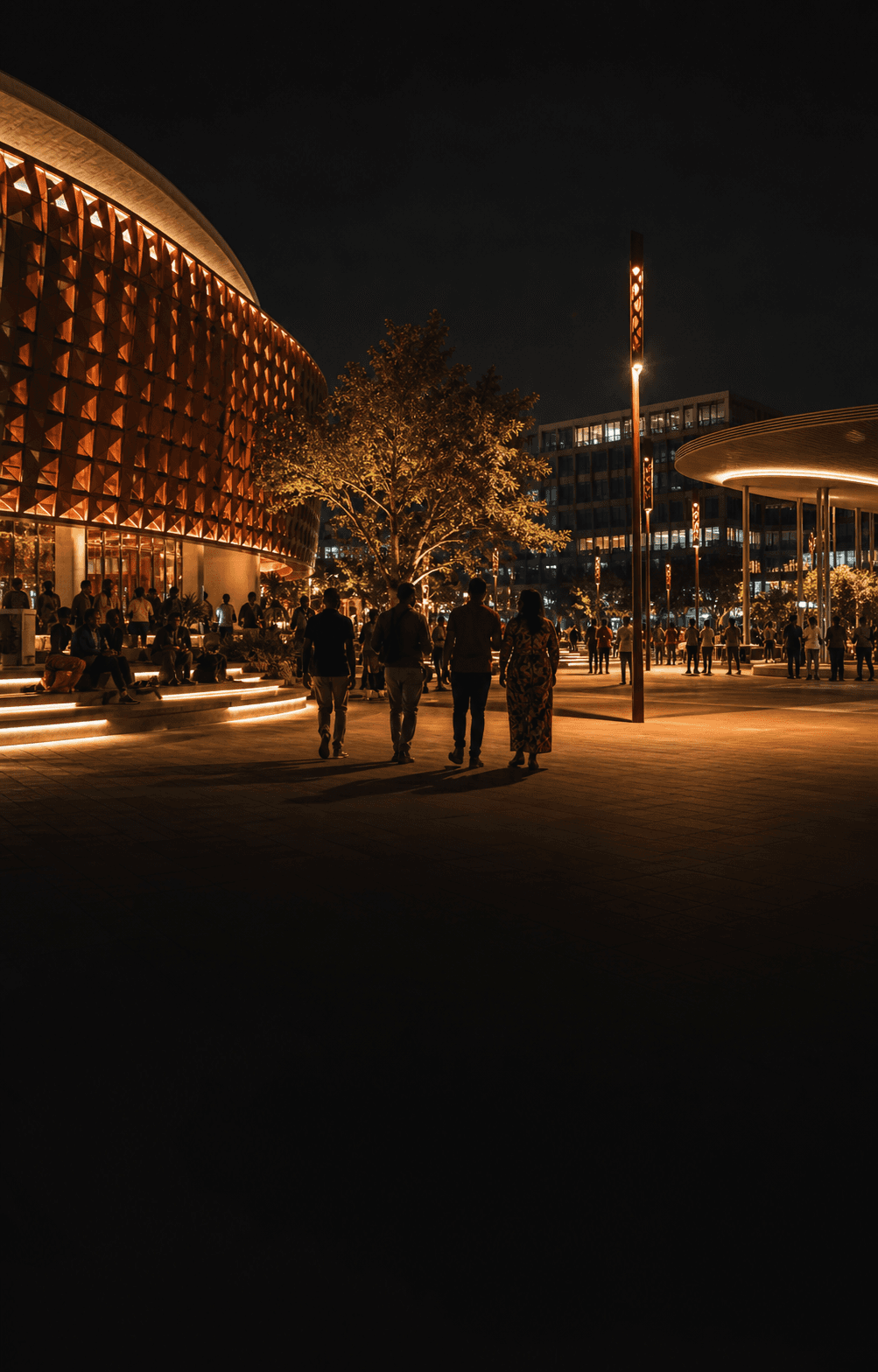
Urban innovation serves people, the environment and the local economy. Better lighting can improve comfort and the experience of public spaces, strengthen cultural identity and support tourism. Its environmental impact also matters: energy consumption, emissions, materials and light pollution must be assessed. A structured diagnosis and continuous feedback help cities identify priorities, guide improvements and evaluate their effects on citizens and infrastructure.
A glimpse of what is possible
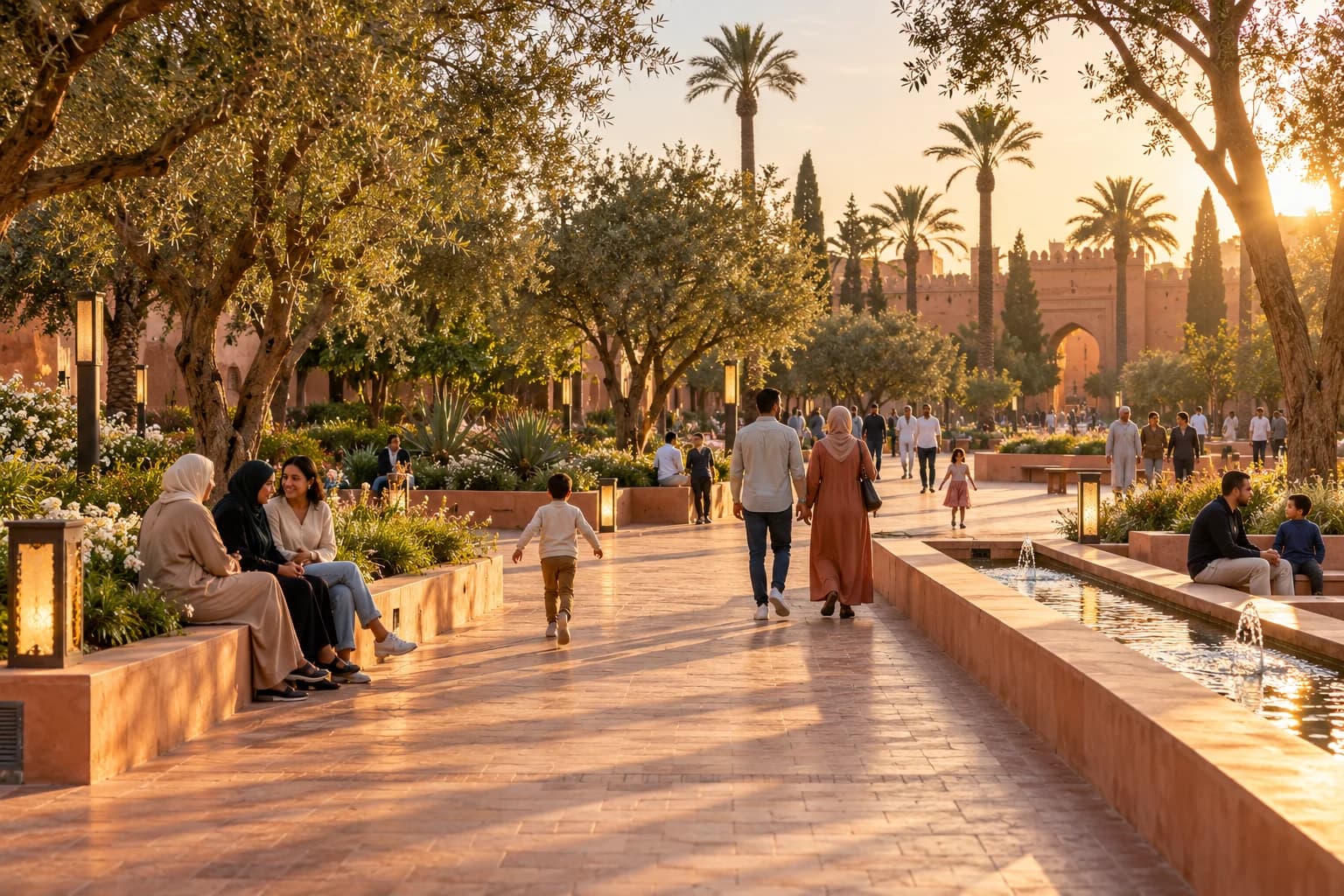
Comfort, safety, accessible services and citizen participation guide the smart-city approach. Lighting adapted to community needs helps improve public spaces and strengthen a sense of belonging.
Efficient luminaires and renewable energy help limit consumption and emissions. Less toxic, recyclable materials and carefully controlled light distribution reduce environmental pressures and light pollution.
Illuminated landmarks express a city's cultural identity and enrich the visitor experience. Welcoming public spaces and clearer orientation support tourism, hospitality and the vitality of the local economy.
SmartDiag follows a Plan-Do-Check-Act cycle: collect data, build a database, analyse it and make recommendations. The diagnosis examines energy use, emissions, electrical infrastructure, photometry and citizen satisfaction to guide continuous improvement.
03 / The perspective
Inspired by De la Smart City à l'Énergie Verte
Amine Serraj · Smart City / Architectural Lighting / Smart Diag · pp. 10–19 / 94–113 / 118–127